
FDA Approves First Neurostimulation Device for PTSD
Neurovalens' Modius Spero has become the first FDA-approved neuromodulation device for treating PTSD symptoms. Veterans are set to gain access through the VA this summer.
Neurovalens' Modius Spero has become the first FDA-approved neuromodulation device for treating PTSD symptoms. Veterans are set to gain access through the VA this summer.

Medical device giant Boston Scientific added to its string of recent acquisitions by announcing its plan to buy Axonics, a maker of neurostimulation devices that treat urinary and bowel dysfunction, for $3.7 billion. Experts agree that this deal will make a profitable impact on Boston Scientific’s urology business.


Healthcare payments are no longer about transactions. It’s about controlling the revenue cycle. And increasingly, that control is not sitting with ISOs.

GrayMatters Health recently received 510(k) clearance from the FDA to market its flagship product, which is a self-neuromodulation digital therapy for PTSD. The device uses neurofeedback on specific biomarkers to help patients identify and utilize their own mental strategy for lowering their emotional response.

A recent webinar hosted by MedCity News and sponsored by BioT shared insights on some of the ingredients to successful creation and execution of remote patient monitoring solutions supported by a cloud-based connected care platform with speakers from BioT and Abbott.

Renee Ryan, until recently a venture capitalist at Johnson & Johnson's venture arm, is now going to lead Burlingame, California-based Cala Health as its new chief executive officer.

Nerivio Migra consists of a bioelectric patch which is placed on the upper arm and an associated smartphone app which controls the electrical impulses and records data.


In an interview, Kyan Health Co-Founder and Chief Commercial Officer Konstantin Struck discussed how Kyan gives mid-market and enterprise employers access to premium workforce mental healthcare, at a price point that is affordable.

Boston Scientific's neurostimulation device Vercise is built on cochlear implant technology, allowing it to modulate impulses between multiple contacts.

Johnson & Johnson doesn't have an internal neuromodulation program, but its corporate venture arm is active in this therapy modality.
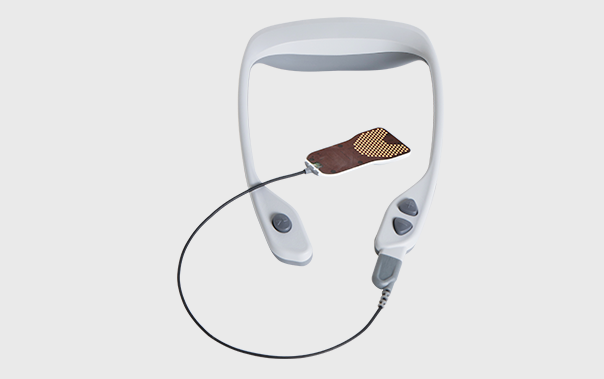
The proceeds are said to be used to finish a clinical registry trial of its portable neuromodulation stimulator in treating traumatic brain injury.
Treatment for depression, anxiety and insomnia doesn't necessarily need to be provided with the help of pharmaceuticals. Caputron is demonstrating that with its mindGear device.

What if health plans could identify member decline before an avoidable hospitalization occurs? Real-time clinical visibility into long-stay SNF members uncovers risk earlier and drives better outcomes.
Neuromodulation can help control pain and mood - so why not hijack the technology for illicit use? Drug lords are interested.
Neuromodulation is being eyed as one of the beyond-the-pill growth fields of the future. Here are five ways startups are using this technology.
SoCal startup Axonics Modulation Technologies has raised $17.3 million, according to a new regulatory filing. Based in Irvine, the startup is developing implantable sacral neuromodulation devices that treat conditions like overactive bladder and fecal incontinence. A representative for Axonics said that it’s not yet speaking publicly about this financing. Just last year, it raised an […]
We’ll be skiing at 95, living well past 125 – with our brains controlling machinery that’s symbiotic with our bodies. Or so said Geoffrey Ling, director of the biological technologies office at DARPA. He spoke about the sci-fi future of neuroscience while on a panel this week at the World Medical Innovation Forum in Boston. Ling was joined by Ajay Verma, […]
Imagine you break your leg. You pop an oxycodone, and the pain will quickly subside. Physical pain can usually be treated quickly – but the same does not hold true for mental health. For instance, it takes four to 10 weeks for your standard SSRI to kick in and start treating depression. That just isn’t fast enough for patients […]